

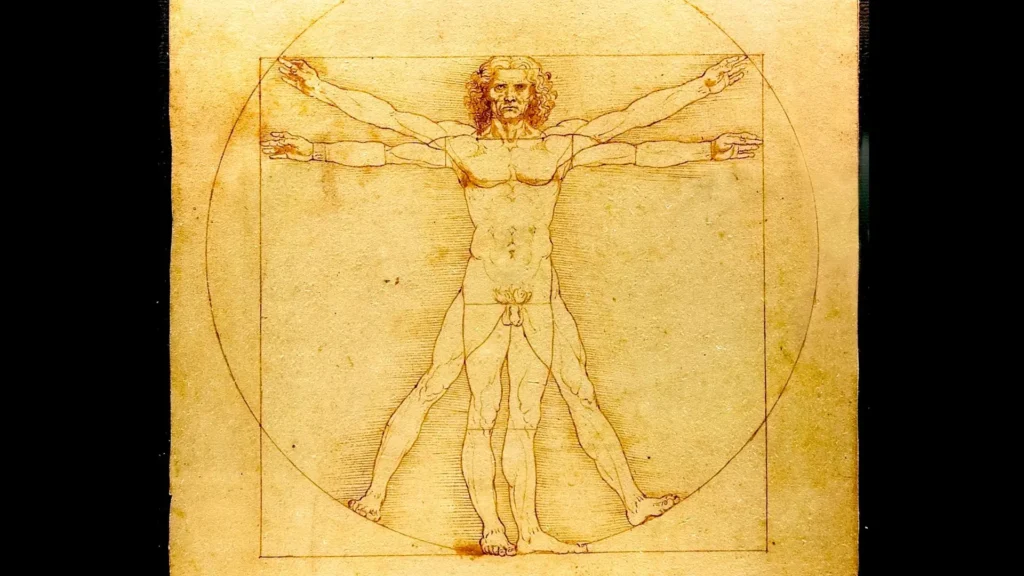
Do you want to describe your family, talk about sports or simply say what part of the body you like best? The vocabulary of the human body is fundamental for basic conversations in Spanish. From describing what you look like to talking about your favorite activities.
The Most Important Parts of the Human Body
When describing a person in Spanish, you naturally start with what is most visible: the face and head. It’s the first thing we notice about someone and the easiest thing to remember.
👤 La Cabeza – The Head
“ L a cabeza ” -“Tengo la cabeza grande” – The head” – “I have a big head.”
El pelo – “Mi pelo es rubio” – Hair – “My hair is blond”.
Los ojos – “Mis ojos son azules” – The eyes – “My eyes are blue”.
La nariz – “Tu nariz es pequeña” – The nose – “Your nose is small”.
La boca – “Tiene una boca bonita” – The mouth – “She has a pretty mouth”.
Los dientes – “Sus dientes son blancos” – Teeth – “Your teeth are white”.
Las orejas – “Las orejas grandes” – The ears – “The big ears”.
Arms and hands are fundamental to expressing how we do things. From greeting to working, we always talk about our hands in everyday conversations.
🫸 Los Brazos – The Arms
Los brazos – “Mis brazos son fuertes” – Arms – “My arms are strong”.
Las manos – “Tengo las manos pequeñas” – Hands – “I have small hands”.
Los dedos – “Los dedos largos” – The fingers – “The long fingers”.
Legs and feet come up constantly when we talk about sports, walking or just describing someone’s size. They are words you will use every day.
🦵 Las Piernas – Legs
Las piernas – “Tiene las piernas largas” – Legs – “He has long legs”.
Los pies – “Mis pies son grandes” – Feet – “My feet are big”.
The rest of the body is also important in describing a person’s physical build and talking about overall health and well-being.
🫁 El Cuerpo – The Body
El cuello – “El cuello largo” – The neck – “The long neck”.
La espalda – “La espalda ancha” – The back – “The broad back”.
El estómago – “El estómago plano” – The stomach – “The flat stomach”.
Describing People and their body parts
One of the most common conversations in Spanish is talking about what the people we meet are like. Whether it’s introducing your family to someone new or telling what your best friend is like, this vocabulary comes up constantly.
👨👩👧👦 En la Familia – In the Family
“Mi hermano tiene los ojos verdes” – “My brother has green eyes.”
“Mi madre es alta y delgada” – “My mother is tall and thin.”
“Mi padre tiene el pelo negro” – “My father has black hair.”
“Mi hermana tiene las manos bonitas” – “My sister has nice hands.”
“Mi abuelo tiene barba blanca” – “My grandfather has a white beard.”
When you meet new people or go out with friends, the topic of describing other people always comes up. It’s a natural way to share information about the important people in your life.
👫 Con Amigos – With Friends
“¿Cómo es tu novio?” – “What’s your boyfriend like?”
” Es alto, tiene el pelo castaño y los ojos marrones” – “He is tall, has brown hair and brown eyes.”
“Mi amiga es muy guapa, tiene el pelo rizado” – “My friend is very pretty, she has curly hair.”
“¿Tu hermano es rubio como tú?” – “Is your brother blond like you?”
Activities with the Body
The vocabulary of the human body comes alive when we talk about what we do every day. From the sport you play to your favorite hobbies, you will always need these words to explain your activities.
🏃♀️Deportes – Sports
“Correr con las piernas” – “Me gusta correr” (“Running with legs” – “I like to run”.)
“Nadar con los brazos” – “Nado muy bien” (“Swimming with my arms” – “I swim very well”.)
“Jugar fútbol con los pies” – “Juego fútbol los domingos” (“Play soccer with my feet” – “I play soccer on Sundays”.)
“Hacer ejercicio” – “Hago ejercicio en el gimnasio” (“Work out” – “I work out at the gym.”)
Dancing, music and fun activities are perfect conversation topics to use this vocabulary in a natural and relaxed way.
💃 Baile y Diversión – Dancing and Fun
“Bailar con todo el cuerpo” – “Me encanta bailar” (“Dancing with my whole body” – “I love to dance”.)
“Aplaudir con las manos” – “Aplaudo en los conciertos” (“Clapping with hands” – “I clap at concerts”.)
“Saltar con los pies” – “Los niños saltan mucho” (“Jumping with the feet” – “Children jump a lot”.)
Personal care of every human body
Beauty and personal care routines are common topics of conversation, especially among friends or when sharing lifestyle tips.
🧼Higiene Diaria – Daily Hygiene
“Lavar el pelo” – “Me lavo el pelo todos los días” (“Wash my hair” – “I wash my hair every day.”)
“Limpiar los dientes” – “Me limpio los dientes después de comer” (“Clean teeth” – “I clean my teeth after eating”.)
“Cortar las uñas” – “Me corto las uñas cada semana” (“Cut my nails” – “I cut my nails every week”.)
“Peinar el cabello” – “Me peino antes de salir” (“Combing hair” – “I comb my hair before going out”.)
When you go to the hairdresser, the beauty salon or simply chat about your look for the day, this vocabulary becomes indispensable to express what you want.
💅 Belleza y Estilo – Beauty and Style
“Pintar las uñas” – “Me pinto las uñas de rojo” (“Paint my nails” – “I paint my nails red”.)
“Maquillar los ojos” – “Se maquilla los ojos para salir” (“Make up your eyes” – “You make up your eyes to go out”.)
“Cortar el pelo” – “Voy a cortarme el pelo” – “Cut my hair” – “I’m going to get a haircut”.
Clothing and Accessories
Fashion and accessories are closely related to the parts of the human body. When you go shopping or describe your favorite outfit, you need to know exactly where each garment is placed.
👕 What We Carry in Our Bodies
“Llevar un sombrero en la cabeza” – “Wearing a hat on your head.”
“Ponerse guantes en las manos” – “Put gloves on your hands.”
“Usar zapatos en los pies” – “Wearing shoes on your feet.”
“Llevar un collar en el cuello” – “Wearing a necklace around your neck”
“Ponerse un reloj en la muñeca” – “Putting a watch on your wrist”.
Accessories are an important part of personal style and constantly come up in conversations about fashion, gifts or simply comments on someone’s look.
💍 Accesorios – Accessories
“Anillos en los dedos” – “Llevo tres anillos” (“Rings on my fingers” – “I wear three rings”.)
“Pendientes en las orejas” – “Me gustan los pendientes grandes” (“Earrings in the ears” – “I like big earrings”.)
“Gafas en los ojos” – “Necesito gafas para leer” (“Glasses on the eyes” – “I need glasses to read”.)
Basic Conversations about parts of the human body
These dialogues show how to use the vocabulary of the body in a natural way in real situations that you will constantly experience when speaking Spanish.
🗣️Describiendo Apariencia – Describing Appearance
A: “¿Cómo es tu hermana?” B: “Es morena, tiene el pelo largo y los ojos negros. Es muy alta.” (A: “What does your sister look like?” B: “She’s a brunette, has long hair and black eyes. She’s very tall.”)
A: “¿Y tu hermano?” B: “Mi hermano es rubio, tiene los ojos azules y es muy fuerte.” (A: “What about your brother?” B: “My brother has blond hair, blue eyes and is very strong.”)
Conversations about exercise and sports are perfect for practicing this vocabulary in an active and fun way.
💪 Hablando de Deporte – Talking about Sports
A: “¿Qué deporte haces?” B: “Juego tenis. Uso mucho los brazos y las piernas.” (A: “What sport do you do?” B: “I play tennis. I use my arms and legs a lot.”)
A: “¿Te gusta correr?” B: “Sí, corro en el parque. Es bueno para las piernas.” (A: “Do you like to run?” B: “Yes, I run in the park. It’s good for the legs.”)
In beauty salons, hairdressing salons or spas, this vocabulary becomes essential to communicate exactly what you want.
💄En la Peluquería – At the Hairdresser’s
A: “¿Qué quiere hacer hoy?” B: “Quiero cortarme el pelo y pintarme las uñas.” (A: “What do you want to do today?” B: “I want to cut my hair and paint my nails.”)
A: “¿De qué color las uñas?” B: “Rojas, por favor.” (A: “What color nails?” B: “Red, please.”)
Tips for Easily Learning Human Body Vocabulary
1. Start with the Basics
Learn first: cabeza, brazos, piernas, manos, pies, ojos, pelo. (head, arms, legs, hands, feet, eyes, hair.)
2. Describe your Family
Practice describing tus padres, hermanos y amigos (your parents, siblings and friends.)
3. Talk about your activities
When you do sports, think in Spanish: “uso las piernas”, “muevo los brazos”. ( “I use my legs”, “I move my arms”.)
4. Use a Mirror
Look in the mirror and name the body parts you see.
5. View Photos
Describes pictures of people: “tiene el pelo negro”, “sus ojos son grandes”. (“she has black hair”, “her eyes are big”.)
Learn Useful Vocabulary of the Human Body!
Do you want to describe people and talk about everyday activities in Spanish?
Register on our e-learnspanish platform and get free access to our human body document, to all free resources and a free week on our e-learnspanish platform.
Learn the fundamental vocabulary for everyday conversations. Simple, practical and easy to remember.
[Free Registration – Immediate Access] [Free Registration – Immediate Access].